Introduction to Classroom Assessment
Classroom 30x assessment is a vital part of the learning process. It goes beyond mere grades; it’s about understanding student progress and enhancing their educational experience. In today’s diverse classrooms, teachers are constantly seeking effective methods to gauge comprehension and encourage growth. With the right assessment techniques, educators can create an environment where every student thrives.
Imagine walking into a classroom where students feel empowered by their assessments rather than burdened by them. This transformation is possible through thoughtful evaluation strategies that focus on feedback and improvement. Whether you’re a seasoned educator or just starting your teaching journey, mastering classroom assessment methods can make all the difference in fostering a culture of continuous learning.
In this blog post, we will explore various types of classroom assessment methods that truly work. From understanding their benefits to implementing effective techniques, you’ll gain valuable insights that can elevate your teaching practice. Let’s dive in!
Benefits of Effective Classroom Assessment
Effective classroom assessment serves as a vital tool for both teachers and students. It provides immediate feedback, allowing educators to adjust their teaching strategies based on student performance. This dynamic approach fosters an environment of continuous improvement.
Students benefit greatly from these assessments too. They gain clarity about their strengths and weaknesses, empowering them to take charge of their own learning journeys. When learners understand what they need to improve, engagement naturally follows.
Moreover, effective classroom assessments promote accountability among students. They encourage active participation and motivate individuals to strive for excellence rather than simply meeting minimum standards.
Additionally, data collected from these assessments can inform curriculum development. Teachers can identify patterns in student understanding and tailor lessons accordingly, making education more relevant and impactful for every learner involved.
Types of Classroom Assessment Methods
Classroom assessment methods can be diverse, tailored to fit various learning environments. Each method serves a unique purpose in gauging student understanding.
Observational assessments allow teachers to witness students’ skills and behaviors in real-time. This approach provides insight into how learners engage with material and interact with peers.
Performance-based assessments focus on students demonstrating knowledge through practical tasks. These might include presentations, projects, or experiments that showcase their abilities beyond traditional tests.
Portfolios are another powerful tool. They compile a variety of student work over time, offering a holistic view of progress and growth.
Peer assessments encourage collaboration among students as they evaluate each other’s work. This not only reinforces learning but also fosters critical thinking skills.
Self-assessments empower students to reflect on their own learning journeys. It encourages ownership and helps them identify areas for improvement while enhancing metacognitive awareness.
Formative Assessments vs. Summative Assessments
Formative assessments are ongoing checks of student understanding. They happen during the learning process, allowing teachers to adjust instruction in real-time. Think quizzes, discussions, and quick feedback sessions.
On the other hand, summative assessments evaluate what students have learned at the end of an instructional period. These include final exams or standardized tests that measure knowledge retention after teaching has concluded.
The key difference lies in their purpose. Formative assessments aim to enhance learning while it’s happening. Summative assessments focus on measuring outcomes once a unit or course is complete.
Both methods play essential roles in education. Balancing them can create a more comprehensive picture of student progress and areas needing improvement.
Examples of Effective Classroom Assessment Techniques
Effective classroom assessments can take many forms, each tailored to gauge student understanding in unique ways. One popular technique is the use of exit tickets. These quick prompts allow students to reflect on what they’ve learned at the end of a lesson.
Peer assessments are another powerful method. When students evaluate each other’s work, they not only engage with the material but also develop critical thinking skills.
Quizzes and polls offer instant feedback for both educators and learners alike. They provide a snapshot of comprehension while keeping the atmosphere interactive.
Project-based assessments encourage creativity and collaboration among students. This hands-on approach helps them apply knowledge in real-world contexts.
Observation checklists enable teachers to monitor student participation during group activities effectively. By noting behaviors, educators gain insight into individual needs within their classrooms.
Tips for Implementing Successful Classroom Assessments
To implement successful classroom assessments, clarity is key. Clearly define your learning objectives so students understand what’s expected.
Incorporate a variety of assessment methods to cater to different learning styles. This ensures that every student has an opportunity to shine.
Provide timely feedback. Students benefit from knowing where they stand and how they can improve. Constructive comments motivate them to enhance their performance.
Create a collaborative environment by involving students in the assessment process. Peer reviews can provide diverse perspectives and foster critical thinking skills.
Stay flexible with your assessments; adapt as needed based on student needs and progress. This approach fosters a growth mindset within the classroom.
Always reflect on the effectiveness of your assessments. Gathering data on outcomes helps refine future approaches for even better results in achieving educational goals.
Common Mistakes to Avoid in Classroom Assessment
Missteps in classroom assessment can hinder student growth. One common error is relying too heavily on standardized tests. These assessments often fail to capture individual learning styles and needs.
Another mistake is neglecting feedback. Assessment should be a two-way street, fostering communication between students and teachers. Failing to provide constructive critiques limits opportunities for improvement.
Overloading students with frequent assessments can also backfire. Instead of enhancing learning, it may lead to anxiety and disengagement from the material.
A lack of alignment between instruction and assessment poses additional challenges. When what’s taught doesn’t match what’s tested, confusion arises, impacting students’ performance.
Ignoring data analysis prevents educators from spotting trends or gaps in understanding. Regularly reviewing assessment results helps tailor future teaching methods effectively.
The Role of Technology in Modern Classroom Assessment
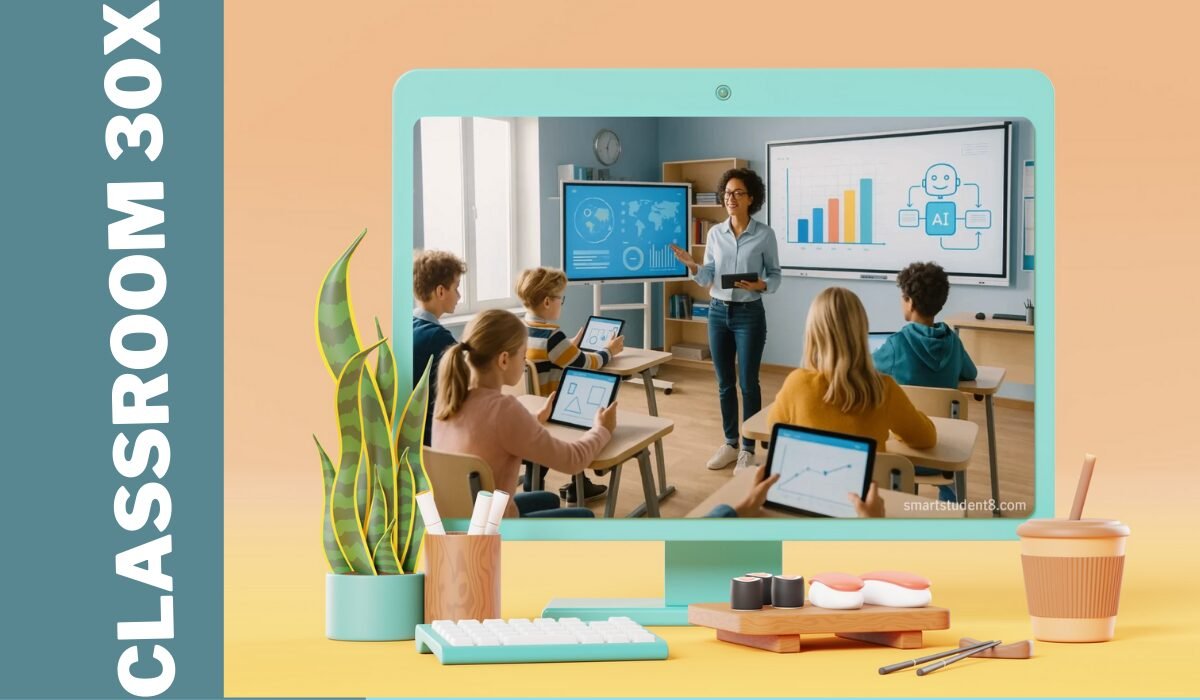
Technology has transformed classroom assessment in remarkable ways. Digital tools enable instant feedback, making it easier for educators to monitor student progress in real-time.
Online quizzes and interactive platforms allow teachers to create engaging assessments. Students can demonstrate their understanding through various formats like videos or presentations, rather than traditional tests.
Learning management systems (LMS) streamline the collection of data from assessments. They help track learning trends and identify areas needing improvement without drowning in paperwork.
Moreover, technology fosters personalized learning experiences. Adaptive assessment tools adjust questions based on a student’s performance, ensuring each learner is challenged appropriately.
With virtual classrooms becoming commonplace, remote assessments are also gaining traction. This flexibility allows students to take assessments at their convenience while maintaining academic integrity through proctoring software.
Embracing these technological advancements can enhance the effectiveness of classroom assessment methods significantly.
Conclusion and Future Outlook for Classroom Assessment
The landscape of classroom assessment is undergoing significant transformation. As educators increasingly recognize the importance of tailored approaches to student evaluation, a shift towards more dynamic and engaging methods is evident. The focus is moving away from traditional testing and toward assessments that foster critical thinking and creativity.
Future developments in classroom assessment will likely incorporate even more technology-driven solutions, enabling real-time feedback and personalized learning experiences. Educators can expect innovative tools that streamline data analysis, helping them make informed decisions about instructional strategies.
Moreover, as educational standards evolve, so too will the expectations for assessments. There will be a continued emphasis on formative assessments that provide insights throughout the learning process rather than solely at its conclusion.
Effective classroom assessment not only measures student understanding but also enhances it by promoting active participation and engagement in learning. By embracing new methodologies and technologies, teachers can create an environment where every student has the opportunity to thrive academically while developing essential life skills for their future endeavors.