Introduction to Bumble Bees
Bumble bees are fascinating creatures that play a vital role in our ecosystem. With their fuzzy bodies and distinctive buzzing sound, they often bring a sense of wonder to gardens and parks. While most people admire these social insects for their pollination skills, questions about their behavior frequently arise—especially when it comes to the topic of stinging. Do bumble bees sting humans? This is a common concern for those who encounter them while enjoying the great outdoors. Let’s explore this intriguing question and shed light on the nature of these charming little beings.
Understanding the Role of Stingers in Bees
Bee stingers serve a vital purpose in the insect world. They are primarily a defense mechanism. When threatened, bees can use their stingers to protect themselves and their colonies.
Not all bees have the same type of sting. Honeybees, for instance, leave behind their barbed stinger when they attack. This leads to their demise shortly after. Bumblebees, on the other hand, can sting multiple times because their stingers are smooth.
Stinging is not just about aggression; it’s also about survival. For bumblebees, the ability to sting helps deter predators from invading nests filled with young and vulnerable bees.
Interestingly, bumblebee venom contains compounds that can affect different species differently. While some may experience mild irritation from a sting, others might face more severe allergic reactions.
Understanding these dynamics highlights how essential bumblebees are in maintaining ecological balance while protecting themselves at the same time.
Do Bumble Bees Sting?
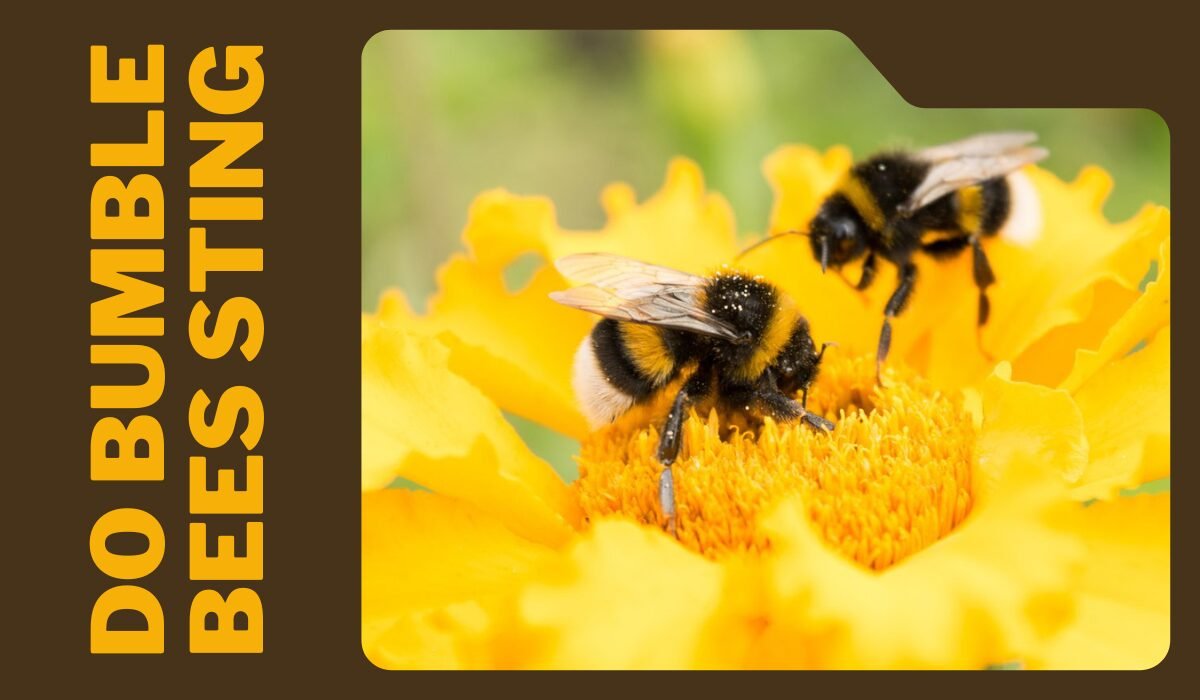
Bumble bees are often seen buzzing around flowers, gathering nectar. They play a crucial role in pollination, which is vital for the ecosystem and agriculture.
When it comes to stinging, many people wonder: do bumble bees sting? Yes, they can. However, bumble bees are generally not aggressive creatures. They typically sting only when they feel threatened or provoked.
Unlike honeybees, bumble bees have the ability to sting multiple times since their stingers don’t detach after use. This means that while a sting may hurt, these insects prefer to avoid confrontation whenever possible.
Most encounters with bumble bees lead to peaceful coexistence rather than aggression. Observing them from a safe distance allows you to appreciate their beauty without fear of being stung.
How to Identify a Bumble Bee Sting
A bumble bee sting can be quite painful, but recognizing it is essential for proper treatment. Initially, you might feel a sharp prick followed by a burning sensation at the site.
The area will often redden and swell soon after. Unlike honeybees, bumble bees can sting multiple times because they don’t lose their stinger. This fact makes them less aggressive when provoked.
You may also notice localized itching or even hives around the sting site as your body reacts to the venom. In some cases, individuals might experience more severe reactions depending on their sensitivity to bee stings.
It’s crucial to observe any symptoms that arise post-sting closely. If you find difficulty breathing or swelling beyond the initial area, seek medical attention immediately.
Treatment for Bumble Bee Stings
If you find yourself stung by a bumble bee, the discomfort can be concerning. First, assess the area for any swelling or redness. Clean the sting site gently with soap and water to reduce infection risk.
Applying a cold compress can help alleviate swelling and numb pain. An ice pack wrapped in a cloth works wonders; just remember not to apply it directly on your skin.
Over-the-counter pain relievers like ibuprofen or acetaminophen may ease discomfort as well. If itching arises, antihistamines can provide relief without too much fuss.
Keep an eye on your symptoms. While most reactions are mild, watch for signs of severe allergic responses such as difficulty breathing or hives. If these occur, seek medical attention promptly.
Prevention and Safety Measures around Bumble Bees
When spending time outdoors, it’s wise to be mindful of bumble bees. They are generally docile creatures but can become defensive if provoked.
Wearing light-colored clothing can help reduce attention from these fuzzy pollinators. Bright colors may attract them, while neutral tones blend better with their surroundings.
Avoid strong scents from perfumes or lotions; they might pique a bumble bee’s curiosity. Instead, opt for fragrance-free products when enjoying nature.
If you find a nest nearby, give it space. Observing from a distance allows you to enjoy their beauty without the risk of an encounter.
Food and drinks should stay covered when outside, as sugary items can lure bumble bees closer than desired. Keep picnic areas clean to avoid attracting these helpful insects inadvertently.
By respecting their habitat and being cautious in your actions, you can coexist peacefully with bumble bees while enjoying the great outdoors.
Conclusion: Respect and Coexistence with Bumble Bees
Bumble bees play a crucial role in our ecosystem. They are essential pollinators that contribute to the growth of many plants, flowers, and crops. Understanding their nature helps us appreciate these remarkable creatures more deeply.
It’s important to remember that bumble bees are generally docile. They prefer to avoid confrontation and will only sting if they feel threatened. By respecting their space and minimizing disturbances around them, we can coexist with these beneficial insects.
Creating a bee-friendly environment can also foster safety for both humans and bumble bees alike. Planting native flowering plants invites them into your garden while providing sustenance. Ensuring you don’t swat at or provoke them is key to avoiding unnecessary stings.
By adopting an attitude of respect toward bumble bees, we not only protect ourselves but also support the health of our ecosystem as a whole. Embracing this coexistence benefits all living beings on our planet.