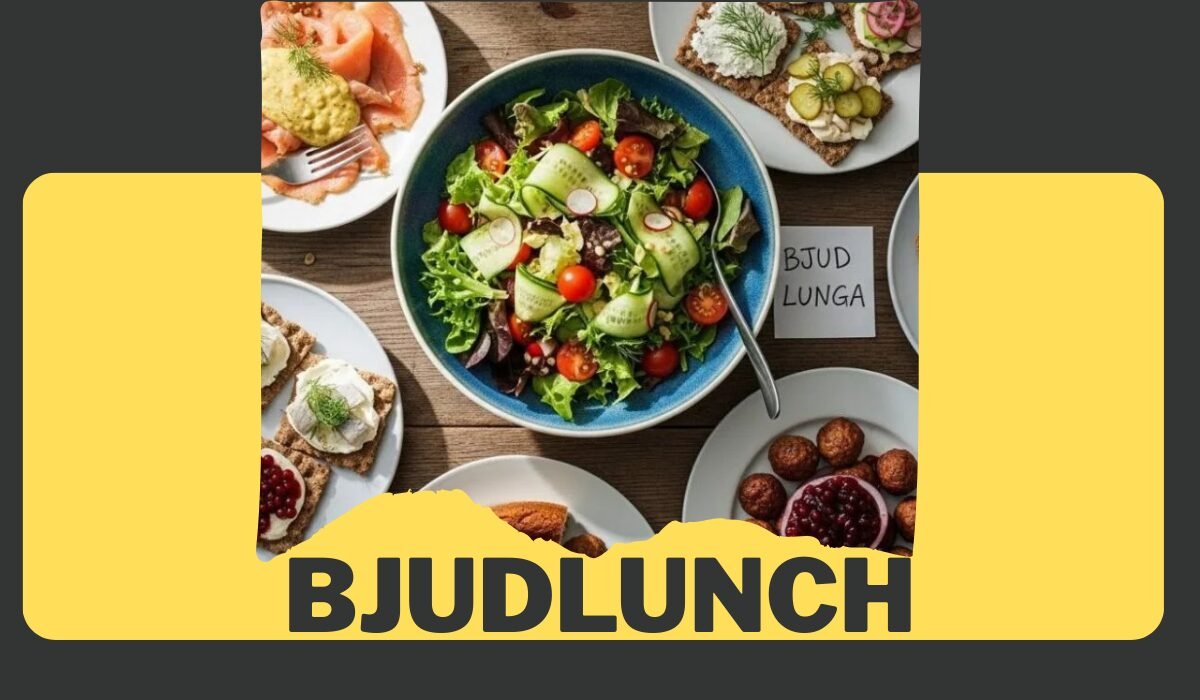
Introduction to Bjudlunch and its Meaning
Bjudlunch – a term that rolls off the tongue as smoothly as it embodies the essence of Swedish workplace culture. Imagine stepping into an office filled with laughter, friendly chatter, and tantalizing aromas wafting from a communal lunch table. This isn’t just any ordinary lunch; it’s a celebration of camaraderie, collaboration, and culinary delights shared among colleagues. Bjudlunch is more than just food; it’s a cultural phenomenon that transforms lunchtime into an opportunity for bonding and connection.
In Sweden, where work-life balance reigns supreme, bjudlunch plays a pivotal role in fostering relationships within teams. Whether it’s homemade dishes or contributions from local caterers, this tradition brings people together to share not only meals but also stories and experiences. As workplaces evolve globally, understanding the significance of bjudlunch offers valuable insights into nurturing healthier work environments everywhere. Join us on this flavorful journey through Sweden’s unique workplace lunch culture!
History of Workplace Lunch Culture in Sweden
Sweden’s workplace lunch culture has deep roots that intertwine with its social values. Historically, lunchtime was a communal affair where employees gathered to share meals and stories. This practice fostered connections beyond mere work relationships.
In the post-war era, the concept of ‘bjudlunch’ began to gain traction. Companies recognized that a shared meal could boost morale and productivity. As economic growth surged, so did the emphasis on creating a positive work environment.
By the late 20th century, bjudlunch became an established tradition in many Swedish workplaces. It wasn’t just about food; it symbolized equality and camaraderie among colleagues. Organizations aimed for inclusivity by encouraging participation from everyone.
Today, this tradition remains integral to Swedish corporate life, reflecting broader cultural norms around community and cooperation within professional settings. The evolution continues as companies adapt these practices in modern times while holding onto their rich heritage.
Why Bjudlunch is Important for Swedish Companies?
Bjudlunch plays a crucial role in Swedish companies by nurturing collaboration and team spirit. When employees share a meal, barriers diminish, fostering open communication.
This tradition encourages inclusivity, allowing different departments to interact seamlessly. It’s an opportunity for employees at all levels to engage in relaxed conversations that can spark innovative ideas.
Moreover, bjudlunch is seen as a gesture of goodwill from employers. By providing lunch, companies show they value their staff’s well-being and work-life balance. This simple act of kindness contributes to higher job satisfaction rates.
The cultural significance cannot be overlooked either. Bjudlunch reinforces the concept of equality within the workplace—a core principle in Swedish society—where everyone feels valued and appreciated regardless of their position. Such practices strengthen company loyalty while enhancing overall morale among teams.
Benefits of Bjudlunch for Employees
Bjudlunch offers numerous benefits for employees that extend beyond just a meal. It fosters camaraderie among colleagues, creating an atmosphere where friendships can flourish. Sharing food naturally encourages conversation and helps break down barriers.
The communal experience of bjudlunch also enhances team cohesion. Employees feel included and valued, which can lead to increased motivation and job satisfaction. When people come together over lunch, they often exchange ideas or collaborate on projects in a relaxed setting.
Moreover, enjoying a home-cooked meal shared by coworkers adds a personal touch to the workplace environment. This sense of belonging is crucial in promoting mental well-being.
Additionally, bjudlunch allows individuals to take a proper break from work tasks. Stepping away from screens provides much-needed mental rest, leading to improved focus when returning to responsibilities later in the day.
How Bjudlunch Fosters a Stronger Work Community
Bjudlunch plays a vital role in building camaraderie among employees. Sharing a meal creates an informal atmosphere where colleagues can engage without the pressures of formal meetings.
As people gather around the table, conversations flow more freely. This relaxed environment encourages individuals to share ideas, thoughts, and even personal stories that might not come up during work hours.
The communal aspect of bjudlunch helps break down hierarchical barriers. When everyone sits together—regardless of their position—it fosters inclusivity and mutual respect.
Additionally, these lunches often feature home-cooked dishes or local specialties, adding a personal touch that enhances connections. The sharing of food can evoke warmth and nostalgia, linking team members through shared experiences.
Bjudlunch becomes more than just a meal; it’s an opportunity for team bonding that strengthens relationships within the workplace community.
Challenges and Criticisms of Bjudlunch
While bjudlunch is celebrated, it is not without its challenges. One significant concern revolves around inclusivity. Not all employees may feel comfortable in social settings or have dietary restrictions that make participation difficult.
Time management also poses a dilemma. Some individuals might find it hard to balance their work and the extended lunch breaks associated with bjudlunch gatherings. This can lead to productivity issues if not managed properly.
Furthermore, there’s the risk of creating hierarchical dynamics. If certain employees are always hosting, others may feel pressured to conform or compete in cooking skills, which can breed resentment rather than camaraderie.
Cultural differences must be acknowledged as well. For international teams, understanding the nuances of bjudlunch can be challenging and could unintentionally alienate those unfamiliar with Swedish customs surrounding workplace lunches.
Conclusion: The Future of Bjudlunch in a Globalized World
The bjudlunch tradition has deep roots in Swedish culture and continues to evolve. As globalization reshapes workplace dynamics, this unique lunch practice faces both opportunities and challenges.
Many companies are recognizing the value of fostering connections among employees, regardless of their cultural backgrounds. Bjudlunch can serve as a bridge that brings people together, allowing for shared experiences through food. This communal aspect is vital in a world where remote work is becoming more common.
However, adapting bjudlunch to diverse workplaces requires sensitivity. Companies must acknowledge different dietary restrictions and preferences while ensuring that everyone feels included in these gatherings. Striking this balance will be key to sustaining the tradition.
As businesses look towards the future, incorporating elements of bjudlunch into their cultures could enhance employee well-being and camaraderie across borders. The essence of sharing a meal transcends language barriers and fosters understanding among colleagues from various backgrounds.
In an ever-changing global landscape, maintaining traditions like bjudlunch may just be what organizations need to cultivate stronger bonds within their teams while celebrating diversity at the same time.