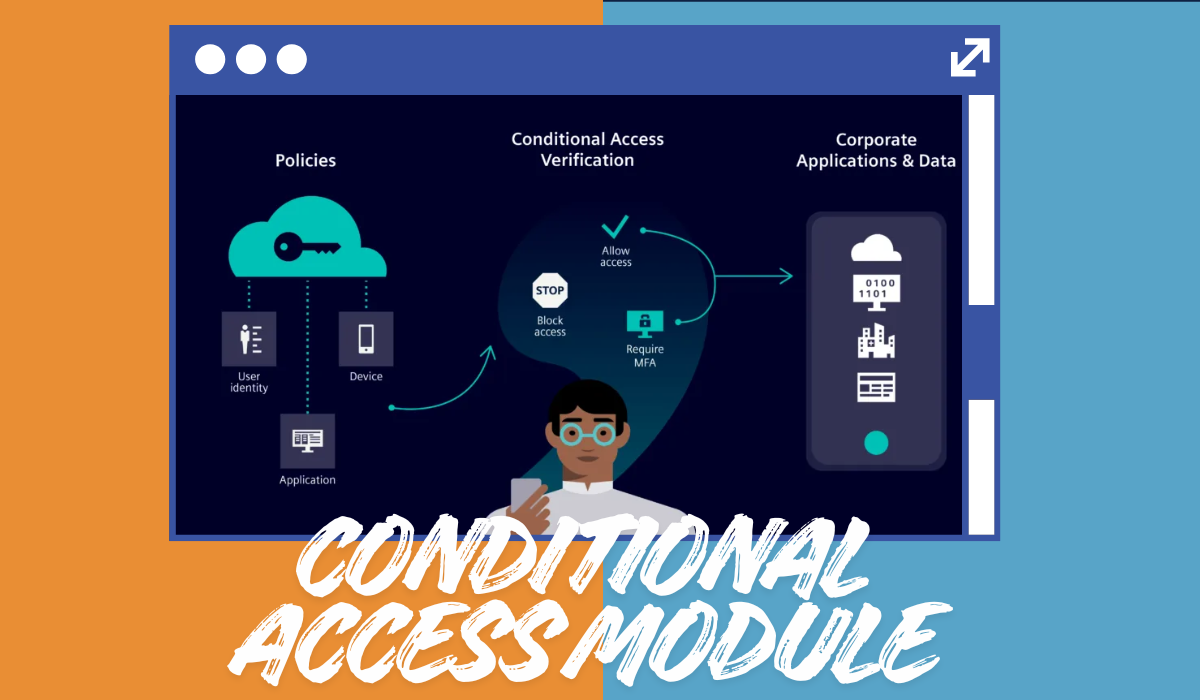
Introduction to Conditional Access Module (CAM) and Smart Card
In a world where digital security is paramount, understanding the tools that protect our information becomes essential. Two key players in this realm are the Conditional Access Module (CAM) and Smart Cards. Both play significant roles in controlling access to encrypted content and ensuring secure transactions. But what sets them apart? In this blog post, we’ll dive deep into these technologies, exploring their unique features, benefits, drawbacks, and how they affect your user experience. Whether you’re a tech enthusiast or simply curious about modern access solutions, there’s something here for everyone. Let’s unlock the differences between CAMs and Smart Cards together!
What is a Conditional Access Module?
A Conditional Access Module (CAM) is a small device that plays a crucial role in digital television and content protection. It enables users to access encrypted broadcasts by decoding signals from their service providers.
Typically integrated into set-top boxes or televisions, the CAM allows for seamless viewing of channels with subscription-based services. It operates by reading an embedded smart card that contains user authentication data.
The primary function of CAM is to ensure secure communication between the viewer’s equipment and the broadcaster. This guarantees that only authorized users can enjoy premium content while keeping piracy at bay.
Additionally, it offers flexibility, allowing viewers to switch service providers without needing a new receiver. The convenience factor makes it an attractive option for many consumers looking to enhance their viewing experience.
What is a Smart Card?
A smart card is a portable device that combines the functionality of a credit card with advanced computing capabilities. Embedded with microchips, these cards can store and process data securely.
Smart cards are widely used in various sectors, including banking, telecommunications, and access control systems. They offer enhanced security features like encryption and user authentication.
These cards come in different types: contact-based, which require physical insertion into a reader; and contactless, allowing for quick interactions through RFID technology.
Their versatility makes them suitable for multiple applications—from making secure payments to accessing restricted areas or even logging into devices. Users appreciate the convenience they provide while ensuring sensitive information remains protected.
The Pros and Cons of CAM and Smart Card
The Conditional Access Module (CAM) offers flexibility. It allows users to access encrypted content without needing multiple devices. This makes it convenient for those who want a streamlined experience.
However, CAMs can be less secure than smart cards. If someone gains physical access, they may bypass protections easily. Compatibility issues also arise with older equipment.
Smart cards shine in security features. They use advanced encryption methods and are harder to duplicate. Ideal for sensitive transactions, smart cards protect user data effectively.
On the downside, they may require specific hardware or readers that not all devices support. Additionally, managing multiple smart cards can become cumbersome over time as you juggle different accounts and services.
Both options have strengths and weaknesses depending on your needs and circumstances.
Compatibility and User Experience
Compatibility between a Conditional Access Module (CAM) and smart cards can significantly influence user experience. A CAM is designed to fit into compatible devices like TVs and set-top boxes, allowing users to access encrypted channels seamlessly. It’s often praised for its ease of integration.
On the other hand, smart cards typically work with various systems including computers, terminals, and mobile devices. Their versatility makes them suitable for multiple applications beyond just television viewing.
User experience may vary based on device compatibility. With CAMs, setup is generally straightforward—insert the module, load your service provider’s settings, and you’re ready to go. Smart cards might require additional configurations or software installations depending on the hardware they connect to.
For those prioritizing hassle-free access in multimedia setups, a CAM could be an ideal choice. Conversely, if multi-functionality across different platforms is essential, smart cards offer that flexibility.
Cost Comparison between CAM and Smart Card
When considering the cost of a Conditional Access Module (CAM) versus a Smart Card, several factors come into play.
A CAM is typically integrated into devices like TVs or set-top boxes. This integration can reduce initial hardware costs since users don’t need to purchase additional cards for access.
On the other hand, Smart Cards often require separate purchases and potentially annual fees depending on the service provider. While they offer enhanced security features, this added layer may increase overall expenses.
Subscription services using Smart Cards might also entail monthly payments that can accumulate over time. In contrast, many CAM solutions provide more straightforward pricing structures with fewer ongoing costs.
Budget-conscious consumers should evaluate not just upfront prices but also long-term commitments when choosing between these two technologies.
Conclusion: Which One Should You Choose?
When deciding between a conditional access module and a smart card, it ultimately comes down to your specific needs. If you prioritize flexibility and ease of use, the CAM might be the better option. It allows for seamless integration with various devices and systems while supporting multiple formats.
On the other hand, if security is your top concern, a smart card could offer enhanced protection against unauthorized access. Smart cards often have built-in encryption features that make them more secure for sensitive transactions.
Consider factors like compatibility with existing technology and budget constraints as well. Each solution has its own set of advantages tailored to different user scenarios.
Evaluate what aspects matter most to you—whether it’s convenience, security, or cost-effectiveness—and choose accordingly. The right choice will depend on how each option aligns with your particular requirements and lifestyle.